Hydraulic systems are critical components in many industrial and mechanical operations, powering everything from heavy machinery and construction equipment to manufacturing plants and transportation vehicles. Because these systems are integral to the smooth functioning of such operations, any failure or inefficiency in hydraulic components can lead to significant downtime, lost productivity, and costly repairs. Ensuring hydraulic repairs are carried out efficiently and effectively is therefore essential to maintaining minimal downtime and maximizing mechanical reliability. One of the most important aspects of hydraulic repairs is the timely diagnosis of issues. Early detection of problems such as leaks, pressure drops, or component wear can prevent minor faults from escalating into major failures. Skilled technicians use advanced diagnostic tools and techniques to pinpoint the root cause of hydraulic system malfunctions quickly. This approach not only saves time but also reduces unnecessary part replacements, keeping repair costs manageable. Timely repairs also help avoid prolonged equipment shutdowns, which can disrupt production schedules and increase operational costs.
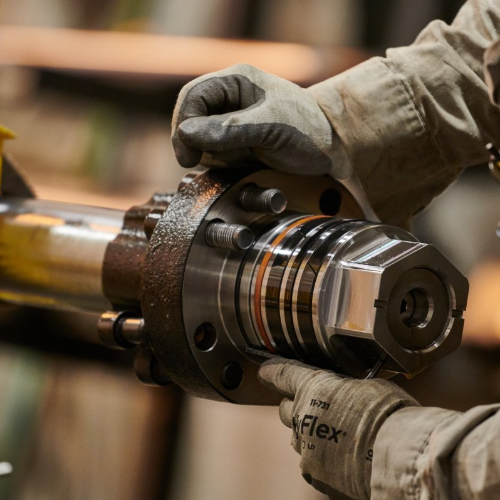
In addition to prompt diagnosis, the quality of the repair work is paramount. High-quality hydraulic repairs involve the use of genuine parts and components that meet or exceed original manufacturer specifications. Using substandard or incompatible parts can compromise system performance, leading to repeated breakdowns and further downtime. Professional hydraulic repair services also emphasize meticulous attention to detail, including proper cleaning, precise assembly, and careful testing of the repaired system. Such thoroughness ensures the repaired components function reliably under demanding operating conditions. Another critical factor in minimizing downtime is having a well-organized repair process that includes efficient logistics and resource management. Quick access to replacement parts and skilled technicians can drastically reduce the time required for repairs. Many organizations implement preventive maintenance programs that schedule regular inspections and servicing, allowing them to address wear and tear before it causes system failure. Preventive maintenance plays a vital role in enhancing the longevity of hydraulic systems and reducing unexpected breakdowns, thereby sustaining consistent operational performance.
Furthermore, modern hydraulic repair strategies often integrate advanced technologies, such as condition monitoring and predictive maintenance. These technologies use sensors and data analytics to continuously monitor system health and predict potential failures. By anticipating issues before they occur, companies can schedule repairs during planned downtime, avoiding emergency stops and unplanned interruptions. This proactive approach not only ensures mechanical reliability but also contributes to cost savings by preventing catastrophic failures that may require extensive repairs or even equipment replacement. Ultimately, the goal of hydraulic repairs is to restore and maintain system functionality with minimal disruption to operations. Achieving this requires a combination of expert knowledge, quality workmanship, efficient processes, and the use of modern diagnostic and maintenance technologies. By focusing on these areas, industries can ensure their hydraulic systems operate reliably and efficiently, supporting continuous productivity and reducing the risk of costly downtime. Reliable hydraulic repairs are thus a crucial investment in the long-term performance and safety of mechanical equipment.