
Raising a puppy is exciting, but good behavior does not happen by accident. Simple, consistent training builds confidence, strengthens your bond, and helps your puppy grow into a calm, social companion. This guide breaks puppy training into clear, practical steps that fit real life and deliver lasting results.
Start Early With Positive Foundations
Early training shapes habits while your puppy is most receptive. Focus on short, upbeat sessions that reward success and avoid punishment.
Why positive training works:
- Builds trust and motivation
- Encourages faster learning
- Reduces fear and anxiety
Use treats, praise, and play to mark correct behavior. Keep sessions to 5–10 minutes, several times a day, to match a puppy’s attention span. At Dog Dynamics, Inc experienced trainers use positive reinforcement techniques to improve behavior, confidence, and communication with your dog.
Master the Basics First
Teaching essential cues gives your puppy structure and helps prevent problem behaviors later.
Core commands to teach early:
- Sit and down for calm control
- Come for safety and recall
- Leave it to prevent chewing or grabbing
- Crate training for comfort and routine
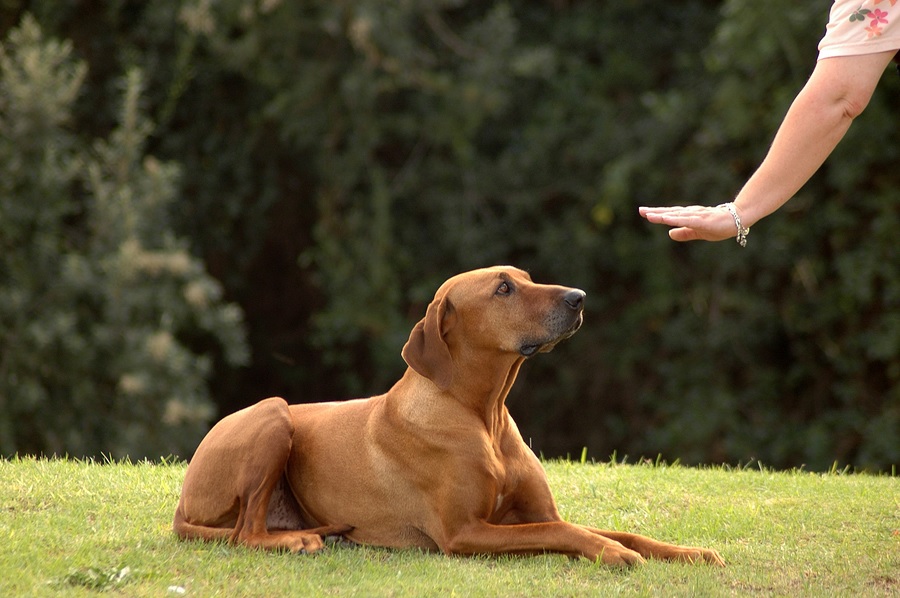
Consistency matters more than perfection. Use the same words, tone, and hand signals so your puppy understands what is expected.
Create a Predictable Routine
Puppies thrive on routine. A consistent schedule reduces accidents, anxiety, and confusion.
A simple daily routine includes:
- Regular meal times
- Scheduled potty breaks
- Play, training, and rest periods
- Calm bedtime rituals
Predictability helps puppies learn faster and feel secure, making training smoother for everyone.
Socialize Safely and Gradually
Socialization is key to raising a friendly, confident dog. Introduce your puppy to new experiences in a positive, controlled way.
Healthy socialization ideas:
- Gentle meetings with people of different ages
- Calm, vaccinated dogs with good manners
- New sights, sounds, and surfaces
- Short outings to safe environments
Always pair new experiences with rewards. If your puppy seems overwhelmed, slow down and try again later.
Prevent Common Behavior Challenges
Many issues are normal puppy behaviors that improve with guidance.
How to handle common challenges:
- Chewing: Provide appropriate toys and redirect
- Nipping: Stop play briefly and reward gentle behavior
- Jumping: Ignore and reward calm greetings
- Barking: Teach quiet moments and mental enrichment
Address problems early to prevent them from becoming habits.
Use Mental and Physical Enrichment
A tired puppy is a well-behaved puppy. Balanced enrichment keeps your puppy engaged and reduces misbehaviour.
Enrichment essentials:
- Age-appropriate walks and play
- Puzzle toys and food games
- Short training games throughout the day
Mental stimulation is just as important as exercise for healthy development.
Frequently Asked Puppy Training Questions
How long does puppy training take? Training is ongoing, but noticeable improvements often appear within weeks of consistent practice.
What if my puppy makes mistakes? Mistakes are part of learning. Stay patient, redirect gently, and reward progress.
Build a Lifetime of Good Behavior
Puppy training made simple is about consistency, kindness, and clarity. By starting early, reinforcing positive habits, and socializing thoughtfully, you set the stage for a happy, well-behaved, and social dog that fits seamlessly into your life.